
Concrete
Concrete Driveways
A concrete driveway done right is the last driveway the house needs for thirty years. Done cheap, it cracks in the first winter and heaves by the third. We pour new concrete driveways and replace old ones across Philadelphia, South Jersey and northern Delaware, and the difference is in what you never see: the base under it, the thickness, the reinforcement and where the joints are cut.
In pictures
Concrete · Concrete Driveways
What this work looks like
We tear out the old surface, compact a stone base, set forms to drain away from the house, and pour with the mix and the thickness the job needs. Then we tell you exactly when you can walk on it and when you can drive on it.
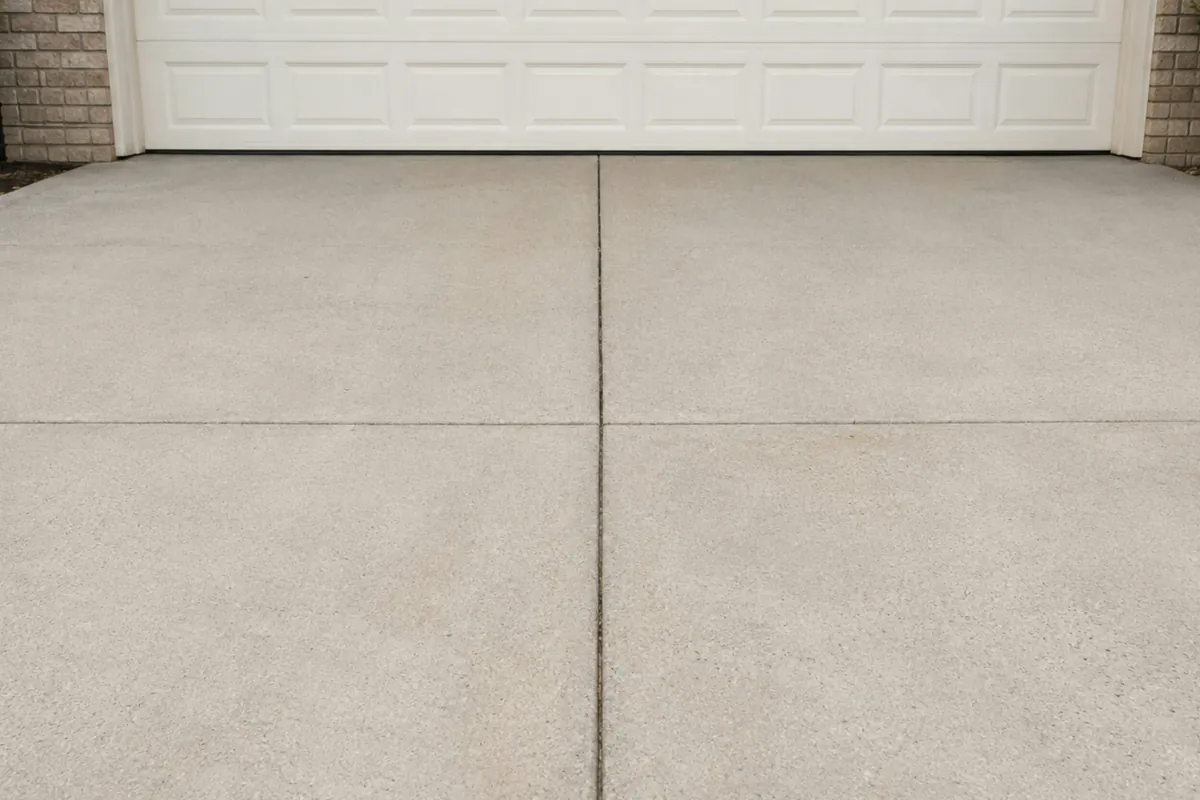
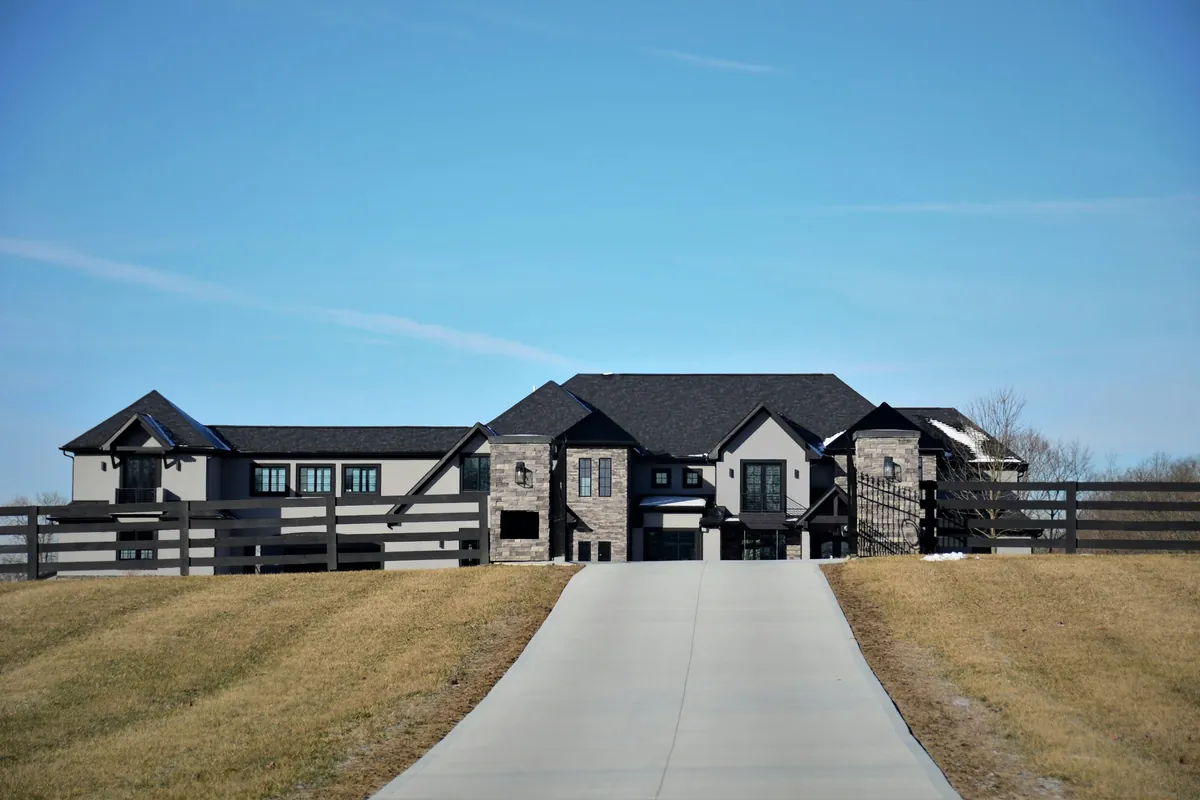
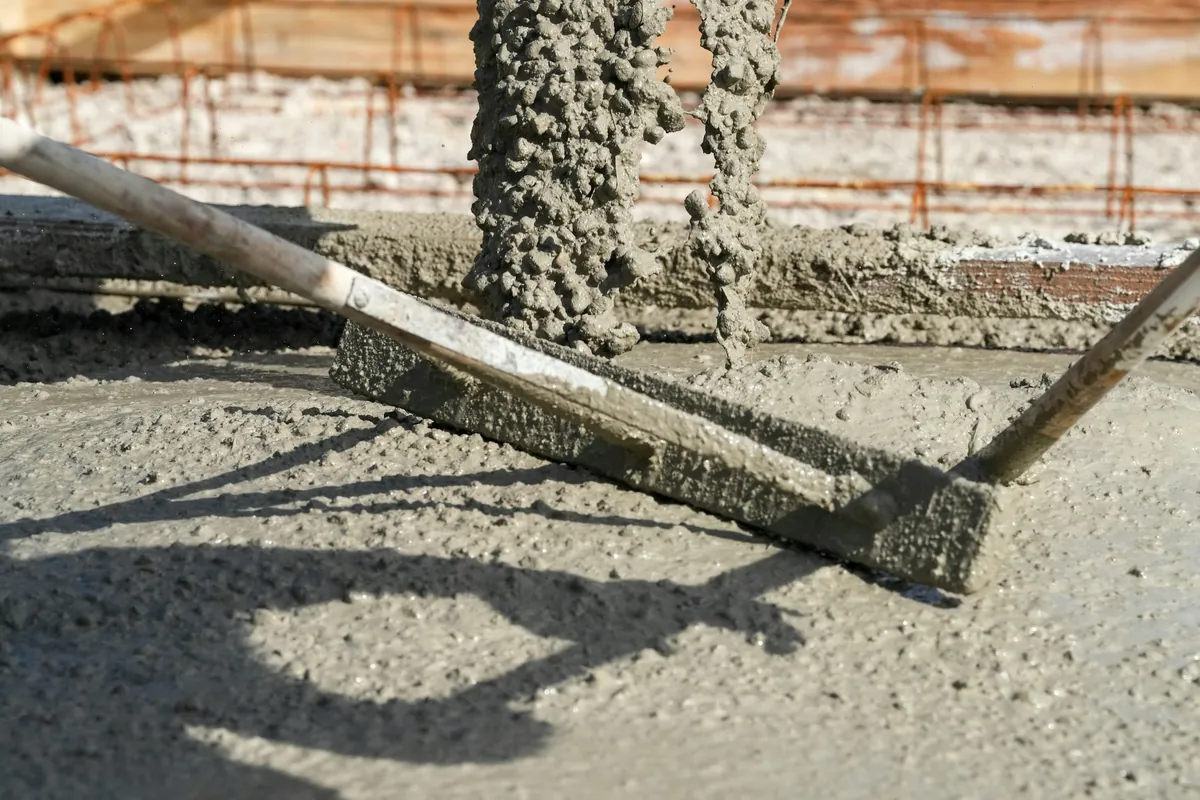
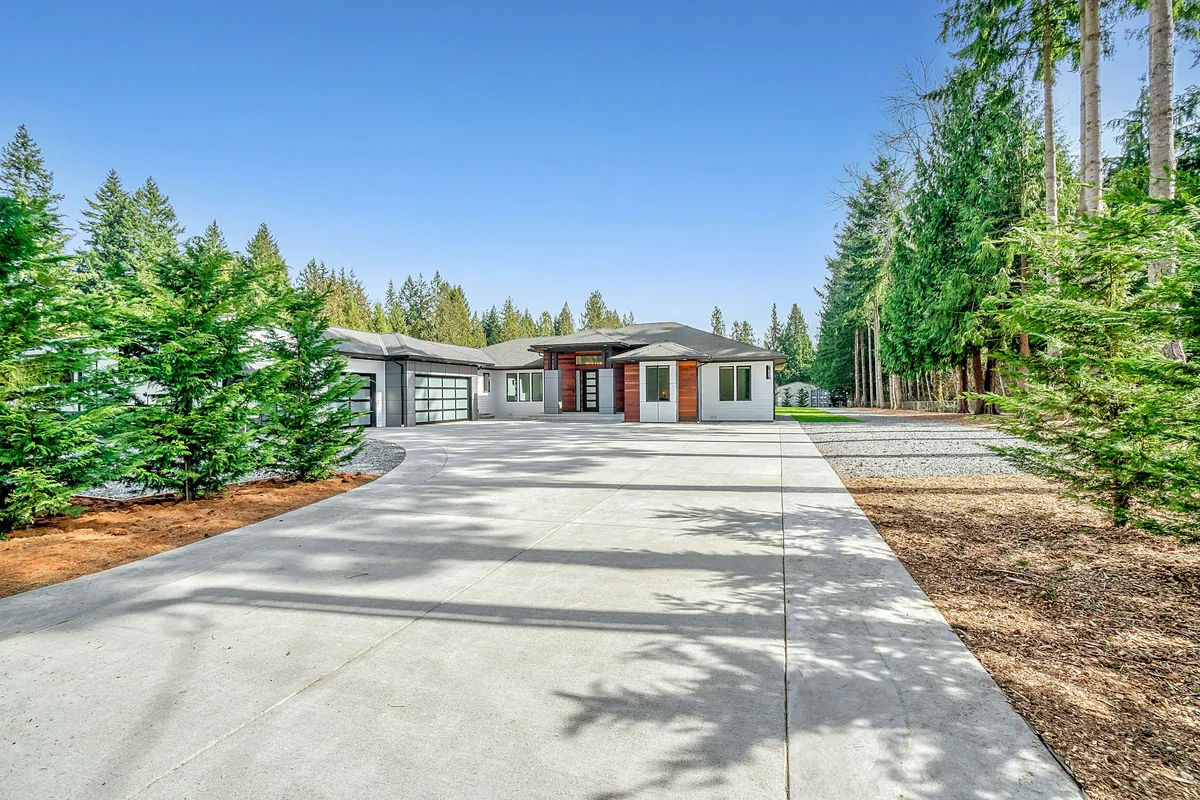
Stock photography for illustration. Our own project photos are on the way.
Spec sheet
Concrete · Concrete Driveways
Time, permit, material, lifespan
The questions we get on every call, answered before the call.
| On site | 2 to 4 days including tear-out |
|---|---|
| Walk on it | 24 to 48 hours |
| Drive on it | 7 days. Full strength at 28. |
| Permit | Curb cut or apron work in Philadelphia needs a permit. We handle it. |
| Lifespan | 30 years and up on a proper base |
| Best for | Any driveway with cracks wider than a coin or slabs that have moved |
What is included
- Old driveway broken out and hauled away
- Stone base graded and compacted in lifts
- Forms set to pitch water away from the house and garage
- Reinforcement and the right thickness for cars and trucks
- Control joints cut on the right spacing so cracks happen where planned
- Broom finish, edges tooled, curing compound applied
Signs
Concrete · Concrete Driveways
How you know this is the chapter you need
- 01
Slabs at different heights
A lip between two sections means the base under one of them has settled or heaved. Grinding hides it for a year.
- 02
Cracks in a web
One straight crack can be sealed. A web of them means the slab was too thin or the base was never compacted.
- 03
Water runs toward the garage
A driveway pitched the wrong way puts water at the foundation every storm. A new pour fixes the pitch.
- 04
Asphalt that is more patch than driveway
Concrete costs more than asphalt on day one and needs almost nothing for decades afterwards.
Not sure what it needs?
Text a photo. We tell you what it needs.
How it goes
Concrete · Concrete Driveways
From the first visit to the walkthrough
- 01
We measure it on site
Square footage, where water goes now, what the base looks like at the edges. That is what the estimate is built on.
- 02
Scope in writing
Thickness, base, reinforcement, joints, schedule. You can compare it line by line with any other quote.
- 03
Tear-out, base, pour
Usually two to four days on site. The pour itself is one day; the base is where the time goes.
- 04
Cure, then drive
You get the dates before we leave: walk on it in a day or two, park on it after a week.
Questions
Concrete · Concrete Driveways
Concrete Driveways, answered
-
How long before I can drive on a new concrete driveway?
Seven days for cars. Concrete keeps gaining strength for a month, so we ask you to keep heavy trucks off it for the full 28 days. Walking is fine after a day or two.
-
How thick should a driveway be?
Four inches is the minimum for cars and we go thicker at the apron and where trucks turn. Thickness and base are the two things a cheap quote quietly cuts.
-
Why does new concrete crack?
All concrete cracks as it cures. The point of control joints is to decide where. Cut on the right spacing, the cracks happen inside the joint and you never see them.
-
Concrete or asphalt?
Concrete costs more up front and lasts far longer with less upkeep. Asphalt is cheaper and needs sealing every few years. For a home driveway that you plan to keep, concrete usually wins over the life of it.
See also
Concrete · Concrete Driveways
Chapters that usually go with this one
-
 Concrete Repair & ReplacementCracked, sunken or crumbling concrete fixed properly, or removed and poured new.
 -
 Sidewalks, Walkways & StepsCity sidewalks, front walks and stoops, poured to code and pitched to drain.
 -
 Concrete Patios & SlabsPatios, shed and pool slabs, and footings and block for additions.
Order form
Free on-site estimate · No obligation
Tell us what you are picturing. We come and measure it.
Nothing is priced from a website. We come to the house, walk the yard with you, and you get a written scope with the material, the size and the dates. Most simple decks are a few days of work; most concrete is two to four.
- Measured on site, written down before anything starts
- If something we built is not right, we come back and fix it.
- The people who quote the job are the people who build it
Rather talk now?
